
The World Through Chinese Eyes: Can We Understand the Chinese People's Point of View?
On June 2nd, 2026, several top advisors to the International Freedom Alliance (IFA) gathered for a quiet work meeting over the course of several days.
Research, documents and presentations were pre-circulated prior to the work sessions.
These essays, notes, and presentations are posted without attribution for the edification of our readers, until presenters have had the opportunity to review and approve the content in final form.
The content is valuable, coming from individuals with decades of experience on the issues under discussion. Attribution will follow following more careful review from the authors.
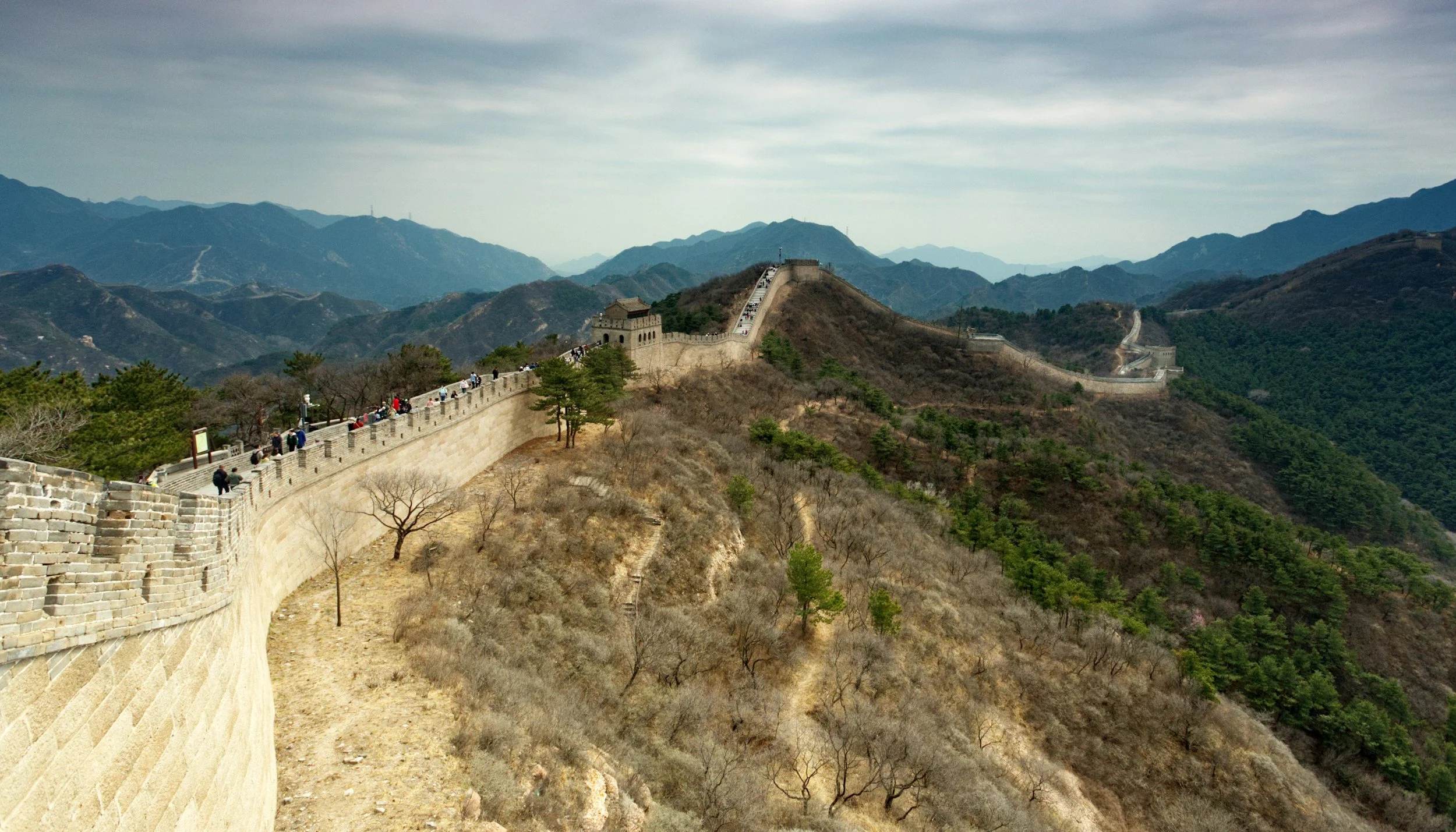
Understanding China requires more than measuring its military strength, economic growth, or geopolitical ambitions. It requires understanding how the Chinese Communist Party—and the Chinese people shaped by its educational, cultural, and political institutions—see themselves, their history, and the world around them. Too often, Western analysis begins with Western assumptions, producing strategic blind spots that continue to shape policy today.

credit Felicity Tai
This presentation examines the historical narratives, philosophical traditions, and ideological foundations that define modern China's worldview. It argues that the CCP has fused Marxism-Leninism with elements of traditional Confucian thought and an intensive system of patriotic education to cultivate a national identity centered on collective purpose, historical grievance, and national rejuvenation.
Central to that worldview is the narrative of the "Century of Humiliation." Far more than a historical episode, it serves as the ideological foundation for the Party's claim that China is reclaiming its rightful place in the world after generations of foreign domination. From that perspective, many of Beijing's domestic and foreign policies cease to appear reactive and instead become part of a coherent, long-term national strategy.
The presentation explores how this worldview shapes China's strategic thinking. It examines concepts such as the "Thucydides Trap," the CCP's use of unrestricted warfare and political influence operations, and the Belt and Road Initiative as instruments designed not simply to expand economic opportunity but to reshape the international environment in China's favor. Military modernization, economic leverage, information operations, educational institutions, and technological influence are presented as complementary elements of a comprehensive strategy extending far beyond conventional diplomacy.
Equally important is to distinguish between the ambitions of the Party and the realities confronting ordinary Chinese citizens. Behind the narrative of national resurgence lies a society wrestling with slowing economic growth, youth unemployment, demographic decline, and the collapse of long-held assumptions about prosperity. The emergence of the Tang Ping ("Lying Flat") movement illustrates the growing tension between state-directed expectations and the aspirations of a generation facing increasingly uncertain opportunities.
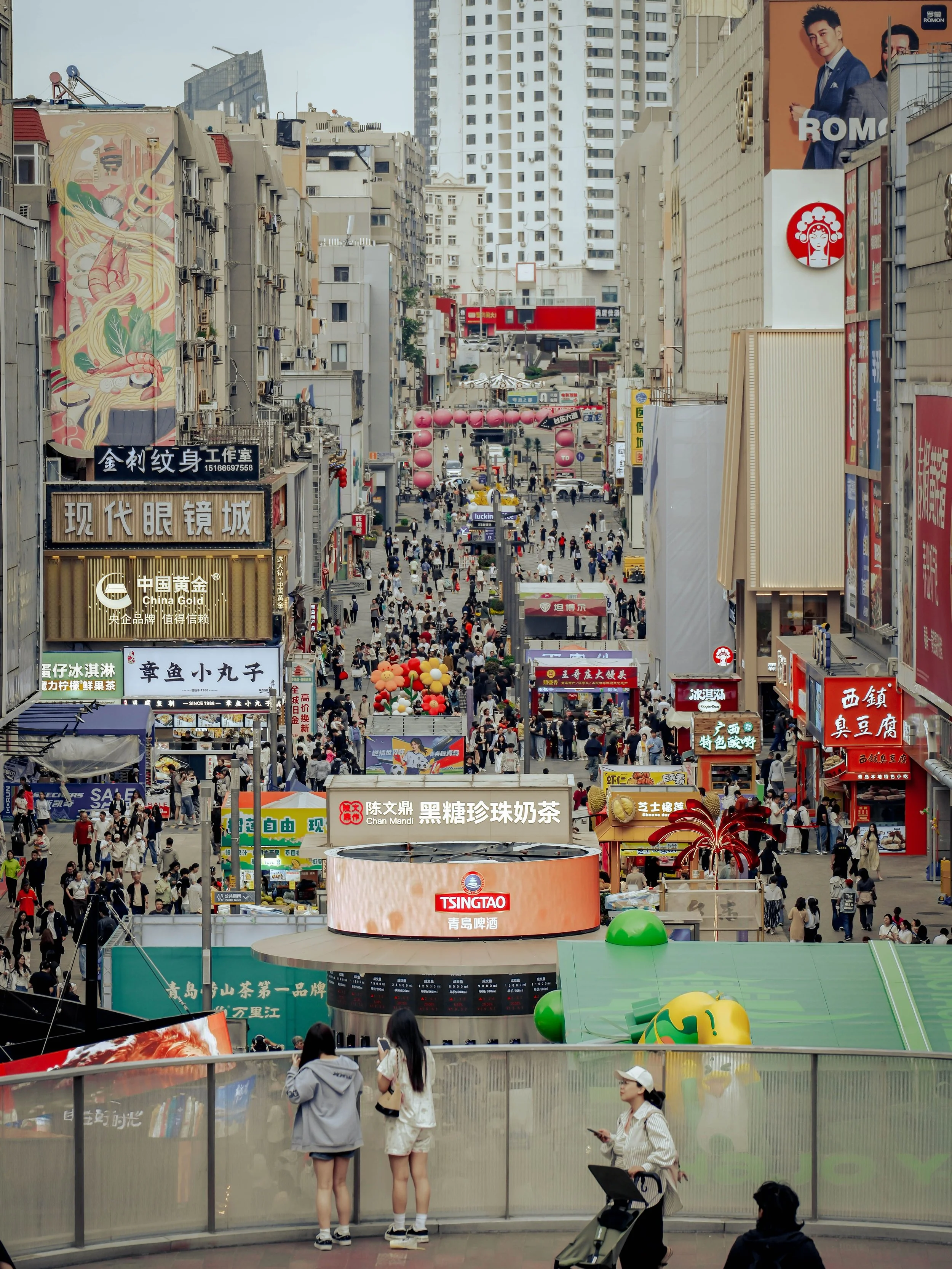
Credit BL Ravencrow
A recurring theme throughout the presentation is that understanding China's future requires understanding the worldview that drives its present. Strategic competition is shaped not only by material power but by history, ideology, culture, and national identity. Without recognizing those forces, policymakers risk misunderstanding both China's intentions and the challenges they present.
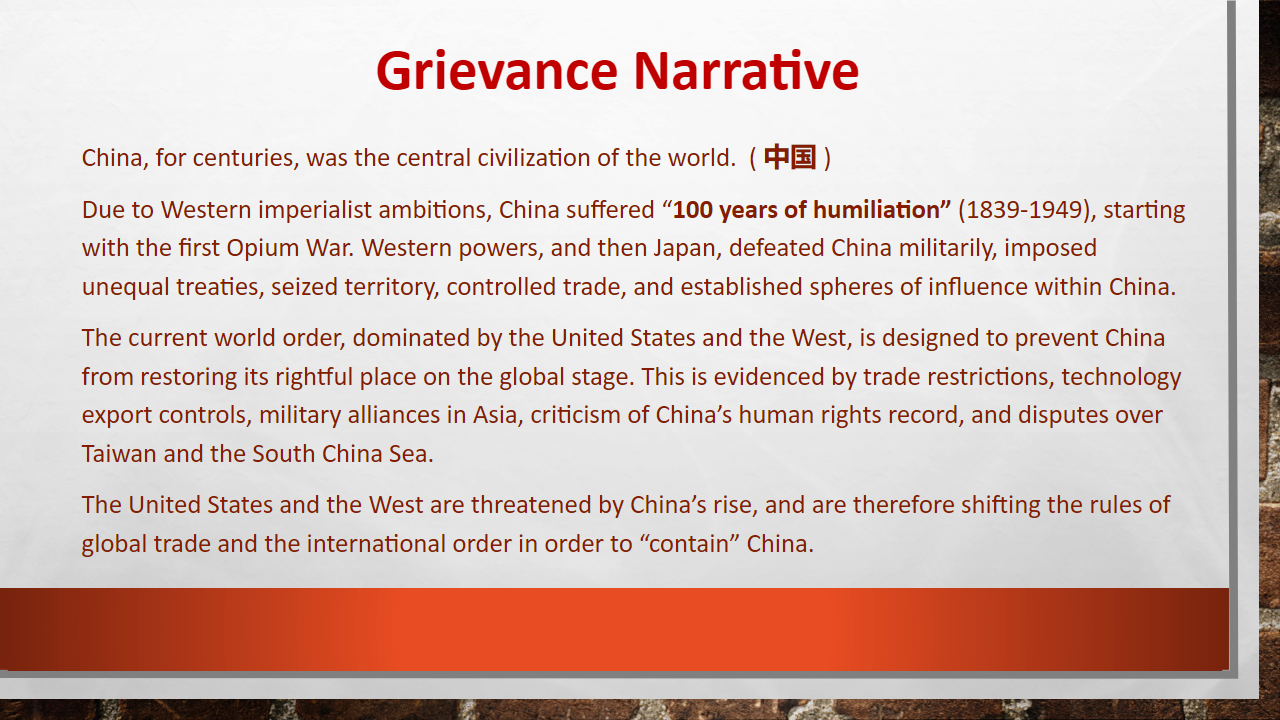
The Fuel Behind China's Global Ambitions
The geopolitical maneuvers of the Chinese Communist Party (CCP) are best understood in the deep-seated "Grievance Narrative" taught to every citizen. For millennia, China viewed itself as the center of the world. However, the "100 Years of Humiliation" (1839-1949), a period marked by Western imperialism, unequal treaties, and military defeats, left a lasting psychological scar. Today, the CCP leverages this history to frame the current US-led global order as a system designed to keep China down. Beijing views its aggressive expansion, technological theft, and military build-up not as instigation, but as the rightful restoration of its historical destiny.
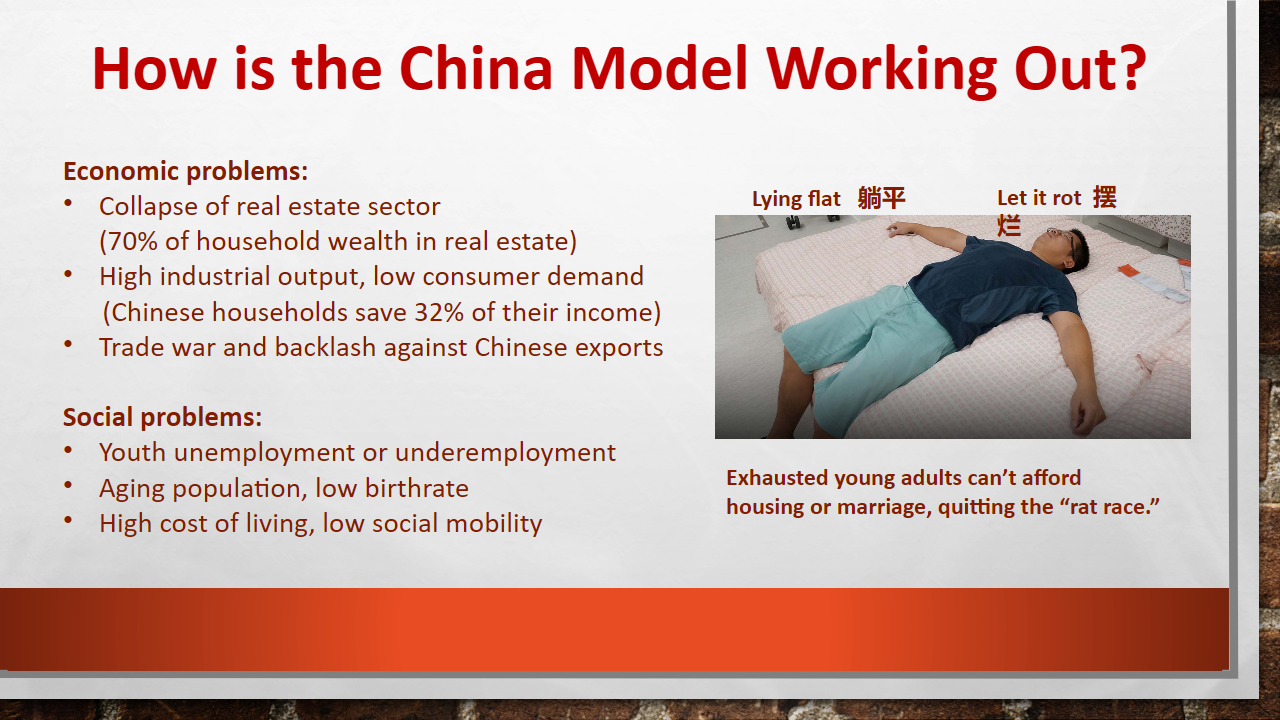
The Cracks in the Facade: The "Lying Flat" Movement
While the CCP projects an image of unstoppable strength and unity on the global stage, the domestic reality is starkly different. This slide provides a crucial, humanizing look at the immense pressure facing ordinary Chinese citizens. Weighed down by a collapsing real estate market, massive youth unemployment, and an impossibly high cost of living, a silent rebellion has emerged among Chinese young adults. Known as Tang Ping ("Lying Flat") or Bai Lan ("Let it rot"), millions of exhausted youth are quietly opting out of the hyper-competitive Marxist-capitalist rat race. It is a profound reminder that behind the towering ambitions of a superpower lies a deeply vulnerable populace yearning for a stable, livable future.
See the full slide presentation here.
