
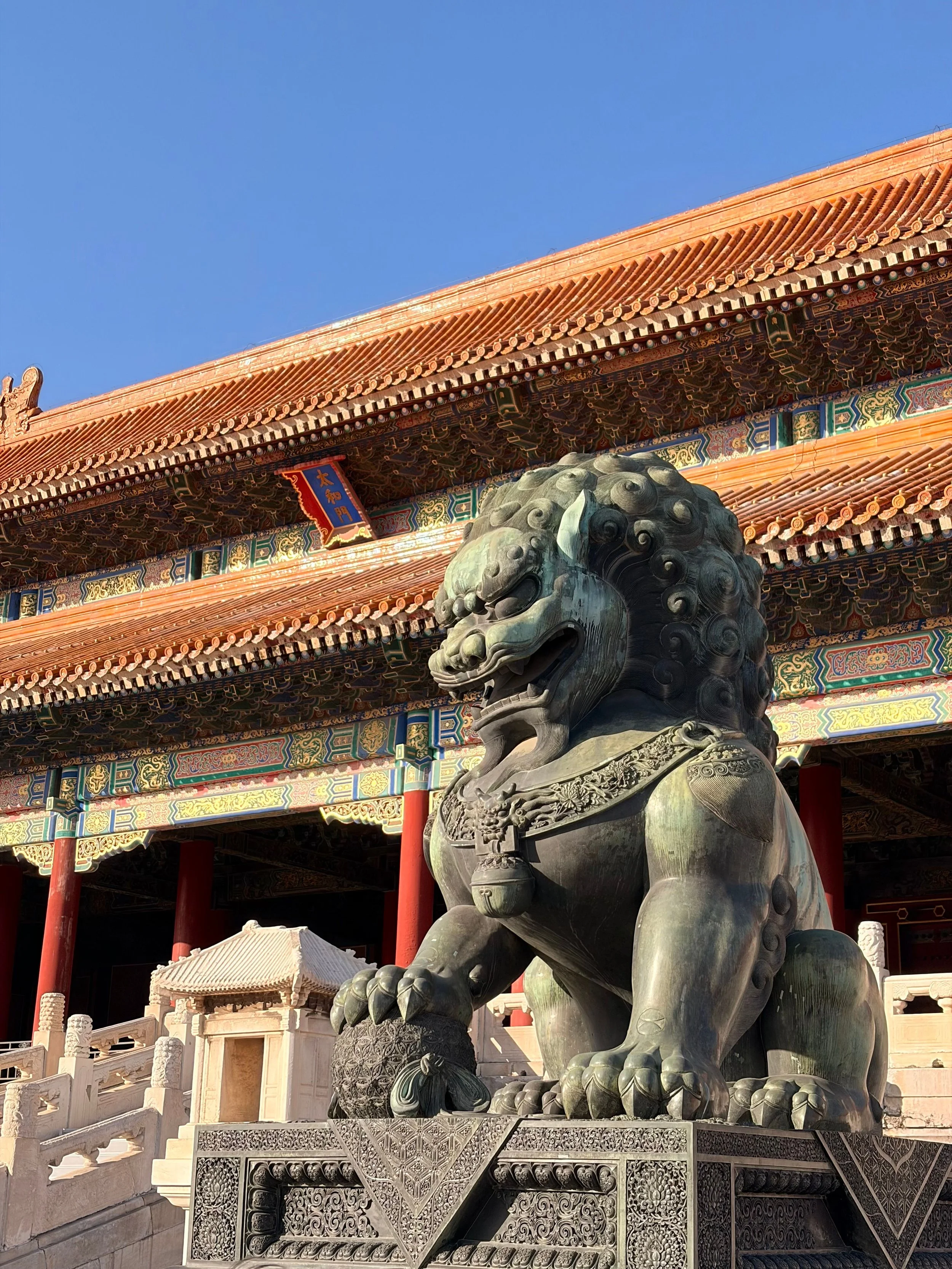
Stakeholder Vs. Hegemon: China's fundamental orientation within the international system
For decades, Western policymakers assumed that economic integration would encourage China to become a responsible stakeholder in the international order. In this presentation, Gerard Willis examines why that expectation failed, arguing that the Chinese Communist Party's strategic ambitions can only be understood by examining the ideological framework that shapes its long-term objectives. His analysis explores China's evolution from participant in the international system to a power seeking to reshape that system on its own terms.
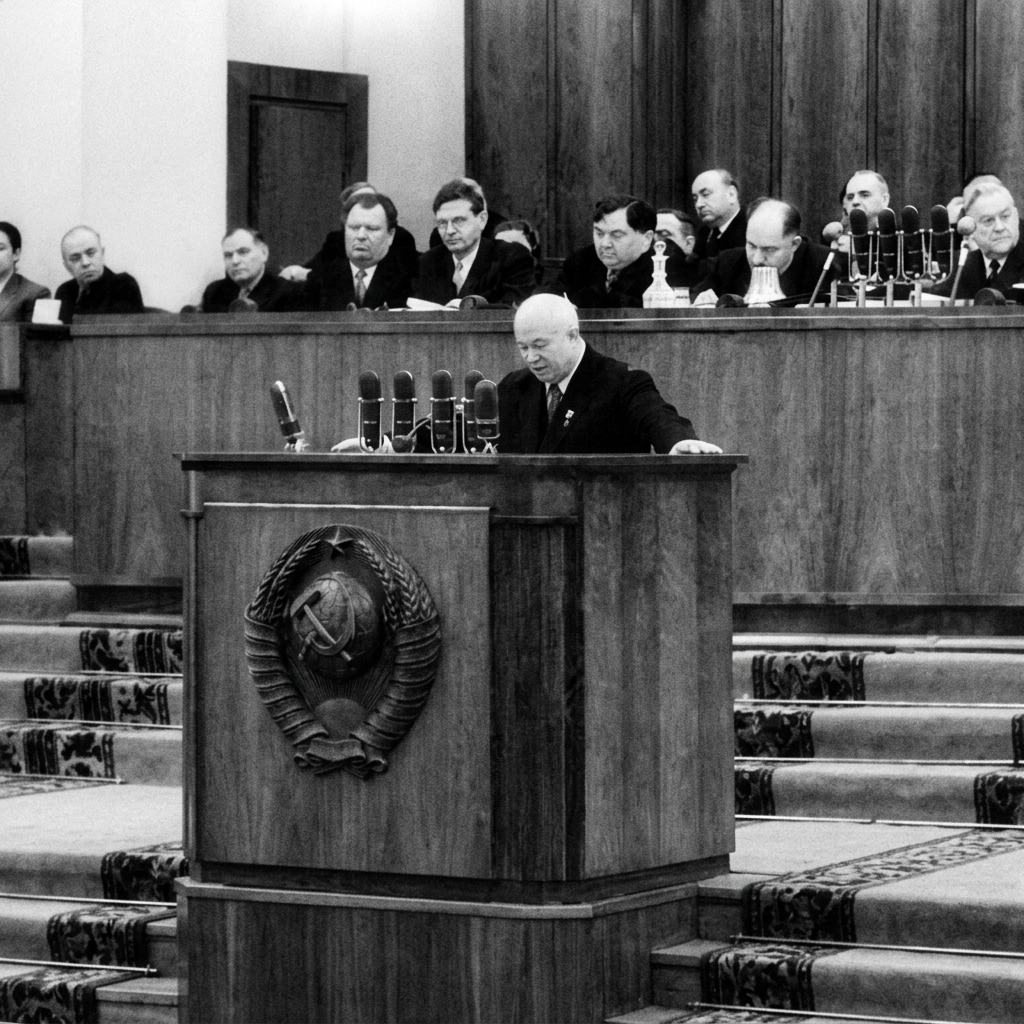
Reflections on World Communism post February, 1956 (from Reno work summit, June 1, 2026)
Communism did not end with the collapse of the Soviet Union. Rather, the Chinese Communist Party studied the failures of Soviet communism, rejected ideological liberalization, and built a new model of centralized control. This essay argues that understanding that evolution—and the spiritual and ideological challenges it presents—is essential for those committed to defending freedom in the twenty-first century.